
Mill Roll Stand

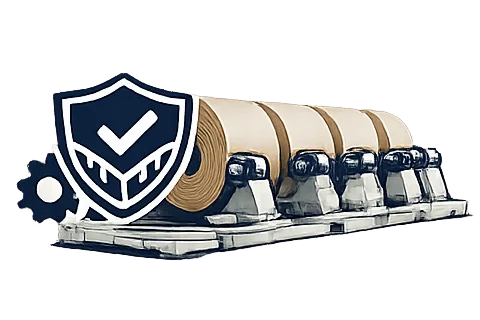
A Mill Roll Stand is the unwinding unit in a corrugator line that supports, positions, and feeds paper rolls (liner and medium) into the machine.
It holds the heavy paper reels, controls web tension, and allows fast roll changes to keep the line running continuously.
Modern designs are shaftless — gripping the roll directly with chucks — to speed up loading and reduce downtime.

Construction Features

Typical mill roll stands include:
  • Main Frame – Heavy‑duty steel structure to support rolls weighing 2–5 tons each.
  • Arms & Chucks – Extend/retract to grip roll cores; hydraulic or pneumatic operation.
  • Lift & Lower Mechanism – For loading rolls from floor or trolley.
  • Brake System – Pneumatic or hydraulic disc brakes for web tension control.
  • Drive System – For roll rotation during splicing or threading.
  • Control Panel – Manual or PLC‑based controls for positioning, tension, and safety.
  • Safety Guards – To protect operators during roll handling.
Dual‑Station Design – Allows one roll to run while the next is prepared for splicing.

Common Types

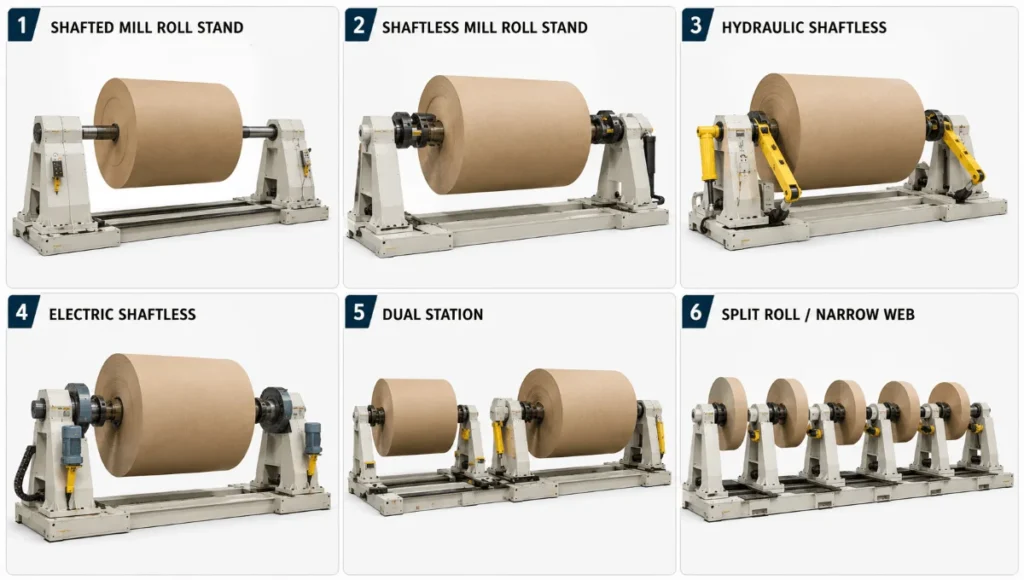
  1. Shafted Mill Roll Stand – Uses a steel shaft inserted through the roll core; slower changeover.
  2. Shaftless Mill Roll Stand – Direct chuck grip; faster loading/unloading.
  3. Hydraulic Shaftless – Hydraulic arms for lifting, positioning, and clamping rolls.
  4. Electric Shaftless – Electric motors for arm movement; lower maintenance.
  5. Dual‑Station – Two rolls per stand for non‑stop splicing.
  6. Split‑Roll / Narrow Web – For specialty widths or multiple narrow rolls.

Key Selection Factors

When specifying a mill roll stand:

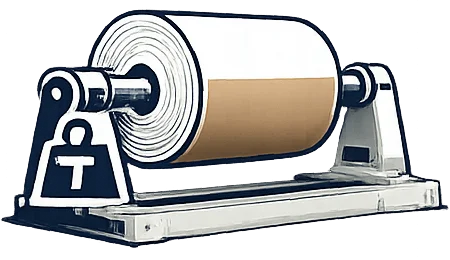
Roll Weight Capacity

Match to your heaviest paper rolls (often 2–5 t).
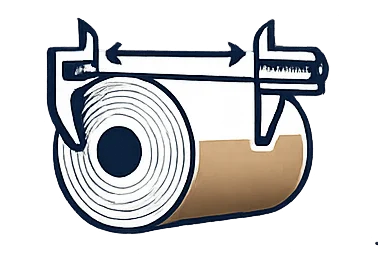
Roll Diameter Range

Min. and max. pickup size (e.g., 300–1500 mm).
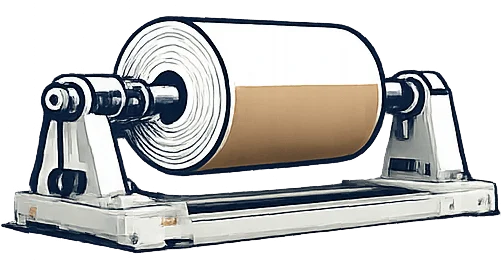
Machine Width

Stand must match corrugator width (e.g., 1800–2800 mm).
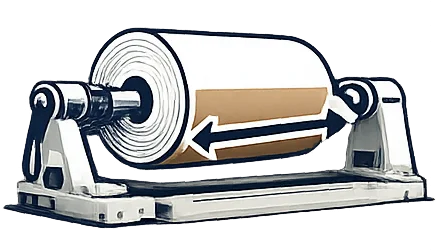
Changeover Speed

Shaftless + dual station for minimal downtime
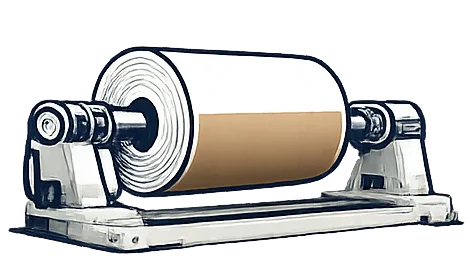
Tension Control

Brake type and integration with splicer
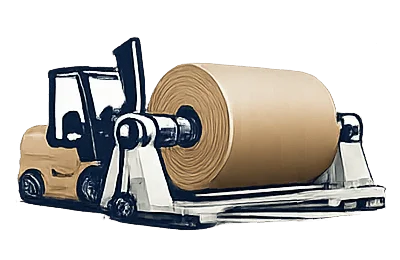
Loading Method

Floor pickup, trolley, or track system
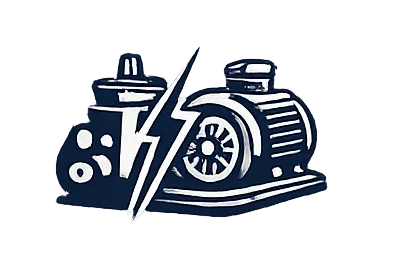
Drive Type

Hydraulic vs. electric based on plant preference and maintenance skills
Safety Features

Guards, interlocks, overload protection.
Integration

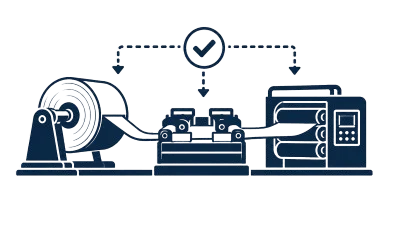
Compatibility with splicer and roll handling systems

Maintenance & Care

  • Daily – Inspect chucks, arms, and brakes; remove paper dust and debris.
  • Weekly – Check hydraulic oil levels, brake pads, and hoses.
  • Monthly – Inspect frame alignment, arm bearings, and control functions.
  • Annually – Overhaul hydraulic cylinders, replace worn seals, calibrate tension control.
  • General – Keep moving parts lubricated, maintain clean sensor lenses, and follow OEM torque specs.

Key Parameters to Order

Parameter Why It Matters Typical Range / Note
Type Determines changeover speed & handling Shafted, shaftless, hydraulic, electric
Stations Non‑stop operation Single or dual
Max Roll Weight Load capacity 2–5 t
Roll Diameter Range Roll compatibility 300–1500 mm
Machine Width Matches corrugator 1800–2800 mm
Core Size Chuck fit 3″ / 4″ / 6″
Brake Type Tension control Pneumatic, hydraulic disc
Arm Travel & Lift Height Loading method Floor or trolley feed
Drive Power Roll rotation kW rating
Control System Ease of use & integration Manual, PLC, HMI

Latest Technology Trends

  • Full Hydraulic Shaftless Designs – Faster, safer roll loading with minimal manual handling.
  • Dual‑Station with Automatic Splicing – Zero‑speed or flying splice for continuous operation.
  • Servo‑Controlled Tension Systems – Precise web tension for high‑speed lines.
  • Integrated Safety PLCs – Monitors chuck rotation, arm position, and operator zones.
  • Quick Core Ejection Devices – Remove butt rolls without manual tools.
  • Small Diameter Roll Pickup – Down to 305 mm to reduce paper waste.
  • Energy‑Saving Hydraulics – Auto shut‑off of pumps when idle.
  • IoT Monitoring – Real‑time diagnostics, predictive maintenance alerts.

Let’s build your next success  Contact Us  today.