
Paper . Corrugate . Engineering

DEWATERING ELEMENTS

Water Removal and Sheet Formation Components
  • Drain water efficiently from the pulp suspension.
  • Support proper sheet formation and fiber retention.
  • Improve drainage performance and overall paper quality.
  • Reduce fabric wear and protect the forming section.
  • Optimize water removal during the early stages of papermaking.
  • Enhance machine efficiency and ensure reliable operation.
  • Include foils, blades, suction boxes, and forming covers.

In the pulp and paper industry, Dewatering Elements are specialized machine components installed beneath the forming fabric in the wet end of the paper machine. Their primary function is to drain water from the pulp suspension, supporting sheet formation, improving drainage, and enhancing paper quality. Dewatering elements include foils, blades, suction boxes, and covers, and are essential for initial water removal, fiber retention, and fabric support. Their design and material selection are critical for optimizing drainage, minimizing fabric wear, and ensuring efficient operation.

Construction Features

Base Material

Ceramic, UHMW-PE, and composite plastics for high wear resistance and low friction.
Surface Finish

Precisely ground, polished, or grooved to control water flow and minimize fabric abrasion

Profile Design

Flat, curved, or crowned profiles tailored to drainage requirements and fabric support.
Mounting & Adjustment

Adjustable supports for precise positioning and optimal drainage
Internal Features

Suction boxes may include drilled holes, vacuum chambers, or water collection channels.
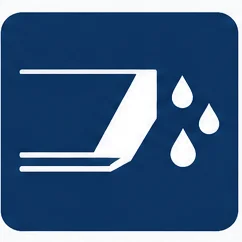
Edge Geometry

Machined edges for uniform water removal and reduced turbulence
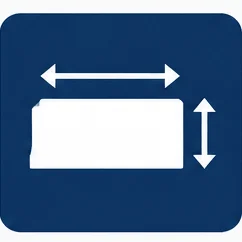
Size & Shape

Custom lengths and widths to match machine specifications

Key Selection Factors

When specifying or replacing dewatering elements:


  • Machine Section & Function – Determines element type, material, and profile.
  • Operating Speed & Load – Higher speeds require low-friction, wear-resistant materials.
  • Paper Grade – Tissue, board, fine paper—each has unique drainage and retention needs.
  • Base & Cover Material – Match to chemical exposure, temperature, and desired drainage rate.
  • Surface Pattern & Finish – Grooved, smooth, or drilled for optimal water removal and fabric life.
  • Vacuum Level & Water Handling – For suction elements, select materials and designs for required vacuum and flow rates.
  • Maintenance Capability – Ease of regrinding, replacement, or cleaning.
  • Cost vs. Life – Balance initial investment with expected service life and downtime costs.

Common Types

Foils

Flat or curved blades that create pressure differentials for water removal

Table Blades

Support forming fabric and enhance drainage.

Suction Boxes

Use vacuum to extract water through the fabric

Covers

Protective surfaces for suction boxes, often made from ceramics or UHMW-PE.

Doctor Blades

Remove water and contaminants from the fabric

Sealing Strips

Prevent water leakage and maintain vacuum integrity.

Maintenance & Care

To ensure long life and consistent performance:

  • Regular Inspections – Check for wear, cracks, surface damage, and mounting condition.
  • Scheduled Regrinding/Replacement – Maintain surface profile and finish.
  • Cleaning – Remove fiber build-up, pitch, or contaminants.
  • Proper Alignment – Avoid uneven drainage and fabric wear.
  • Lubrication – Maintain moving parts and seals per OEM specs.
  • Storage – Store spare elements in dry, stable conditions to prevent warping or damage.

Key Parameters to Order

Parameter

Why It Matters

Typical Range / Note

Element Type & Position

Determines design & material

Foil, blade, suction box, cover, etc.

Face Length

Matches machine width

mm or m

Width/Thickness

Affects drainage & support

Machine-specific

Base Material

Strength, wear resistance

Ceramic, UHMW-PE, composite

Surface Finish

Drainage & fabric life

Smooth, grooved, drilled

Profile Geometry

Water removal efficiency

Flat, curved, crowned

Mounting Specs

Fit & adjustment capability

OEM-specific

Operating Speed & Load

Determines material & design

m/min, kN/m

Vacuum Level

For suction elements

kPa, m³/h

Temperature Range

Material selection

Ambient to 135 °C+

Special Features

Performance enhancement

Self-lubricating, anti-abrasion, etc.